
Opinions, analysis and commentary
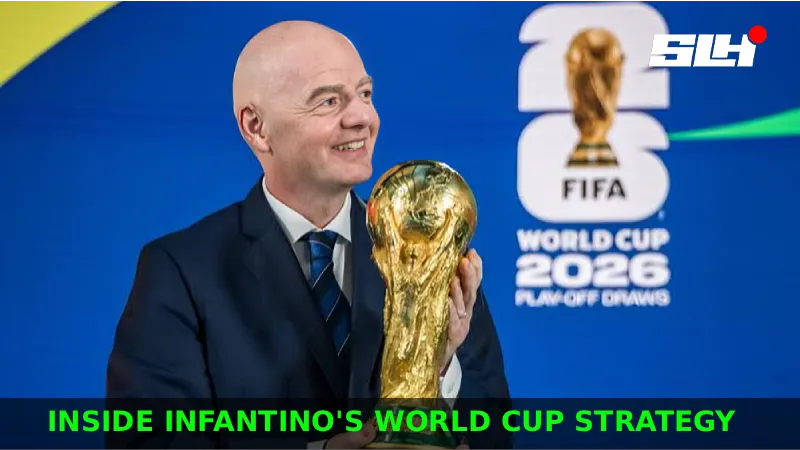


An 891-word statement published the morning after the final follows a script football fans have already seen once before, almost word for word. Four years earlier, the same man stood in Doha and delivered nearly the identical argument through a completely different medium. Compare the two documents side by side and the pattern becomes impossible to miss: no fault ever gets conceded, emotional language quickly replaces substance, and every critic gets painted as biased. What has changed is only the platform he chose to say it on this time.
The statement went up as 15 Instagram slides alongside a matching FIFA.com post, published the morning after Spain’s final win over their opponents. It called this tournament the most outstanding World Cup in the competition’s entire history and claimed there had been zero incidents, full safety and complete security throughout the month-long event.
The word hate or hatred appeared at least seven separate times across the post. It closed by telling detractors to reflect, meditate, pray, or simply go watch a football match instead of complaining. One prominent football writer at The Athletic called the whole statement frankly reckless in tone and substance.
In November 2022, just hours before Qatar’s opening match, the same core message arrived through an hour-long press conference in Doha rather than a social media post. Western criticism was dismissed outright as hypocrisy, using whataboutism against twentieth-century Europe to defend Qatar’s human rights record at that particular moment in time.
| Comparison Point | 2022 Qatar Statement | 2026 World Cup Statement |
| Format | 1-hour press conference, Doha | 891-word Instagram post plus FIFA.com |
| Accusation at critics | Hypocrisy, Western bias | Spreading hate and false rumors |
| Tournament framing | Defended Qatar’s reform progress | Declared most outstanding World Cup ever |
| Rhetorical technique | Whataboutism vs 20th century Europe | Love vs hate, word used 7-plus times |
| Controversies acknowledged | Human rights, LGBTQ, workers | Visas, Balogun suspension, officiating, prices |
The template has not changed in any meaningful way across four full years. No genuine fault gets acknowledged, the language turns emotional almost immediately, and every single critic gets accused of bias rather than engaged with directly on the substance.
Three specific, verifiable controversies got addressed directly this time around, more than in the earlier version four years ago. Visa restrictions blocked supporters from Iran, Haiti, Senegal and Ivory Coast from attending matches altogether across the entire month-long tournament schedule. A Somali official, Omar Artan, was denied entry to the United States and will instead take charge of the UEFA Super Cup match in August, a notable footnote.
Folarin Balogun’s suspension was lifted after direct political intervention from a sitting head of state, clearing him to play in the round of 16 fixture against Belgium. These were all described simply as arguable refereeing calls or unusual disciplinary decisions, nothing framed as more serious than that in the statement itself.
The claim of zero incidents refers only narrowly to crowd safety, not the full picture the governing body is still investigating behind the scenes. A post-final brawl involving several Argentina players remains under separate review, alongside a contested banner investigation and a petition signed by more than 100,000 people demanding a full replay of the final.
None of that added context appears anywhere in the public statement itself, notably. The messaging focuses entirely on the positives while leaving every ongoing investigation to unfold quietly and separately, well away from any public view or scrutiny at all.
The 2022 press conference generated a full week of intense media coverage and produced no lasting institutional change at football’s governing body whatsoever. This year’s Infantino World Cup 2026 critics statement will likely follow that exact same arc, quickly fading from headlines within days of publication just like before.
The real audience was never really the media critics writing think-pieces about it after the fact. It is the 211 member federations whose votes matter most for a re-election campaign due in March 2027, and the overwhelming majority of them supported this tournament without reservation from the very start of the entire bidding process years earlier.
Does repeating the same defense every four years actually work anymore, or is the audience simply moving on for good? Share your honest take in the comments below.
As football fans globally search for the most reliable platforms to witness history unfold—especially with Argentina currently attempting to join this exclusive list in the 2026 World Cup Final—Sports Live Hub (SLH) emerges as the ultimate destination for premium sports broadcasting.
Finding a secure, uninterrupted broadcast during major international tournaments can be incredibly frustrating due to complex regional restrictions and geo-blocks. The hub sports live stream feature available on SLH operates as a state-of-the-art intelligent aggregator. It seamlessly maps your location and automatically routes you to verified, official regional broadcast feeds. This ensures that fans can watch every crucial moment of the World Cup in stunning high-definition, completely free from the irritating buffering issues and dangerous malware threats associated with illegal, unverified streaming websites.
Modern football enthusiasts demand a highly analytical and interactive viewing experience. The sport hub live streaming interface on SLH serves as an elite second-screen companion for dedicated fans. As you watch the world’s best teams compete for international glory, the platform provides dynamic, real-time digital overlays. Viewers gain instant access to advanced tactical data, including live Expected Goals (xG), detailed passing networks, and comprehensive player heatmaps, empowering them to dissect the beautiful game just like a professional television pundit.
During monumental events like a World Cup Final, internet searches for how to watch Sports live for free inevitably skyrocket. SLH proactively solves this challenge by maintaining a meticulously curated, fully localized directory of legal, free-to-air (FTA) broadcasting networks. By specifically highlighting public broadcasters that legally air these premium matches without requiring expensive subscription paywalls, SLH guarantees that the unparalleled excitement of international football remains completely accessible, safe, and entirely legal for millions of passionate fans worldwide.
What did Infantino say about the World Cup critics?
He accused critics of spreading hate and false claims about the tournament. The 891-word post called it the most outstanding World Cup in history and urged detractors to reflect or pray instead.
Did he make similar comments after the 2022 Qatar tournament?
Yes, the pattern is almost identical to his Doha press conference in 2022. He called Western criticism hypocrisy back then and used the same defensive playbook that reappeared four years later.
What issues does the 2026 World Cup statement actually address?
It responds directly to visa restrictions, a referee ban, and disciplinary controversies. A Somali referee was denied US entry, while Folarin Balogun’s suspension was lifted after political intervention.
Why is the World Cup governing body facing criticism this year?
Visa problems, refereeing disputes, and a post-final brawl are driving the backlash. More than 100,000 people have signed a petition calling for the final to be replayed entirely.
What happens next after this defensive statement was published?
Very little institutional change is expected to follow, based on past precedent. The 2022 version produced a week of coverage and no structural reform at football’s global governing body.
 cricket
 football
 football