



Opinions, analysis and commentary
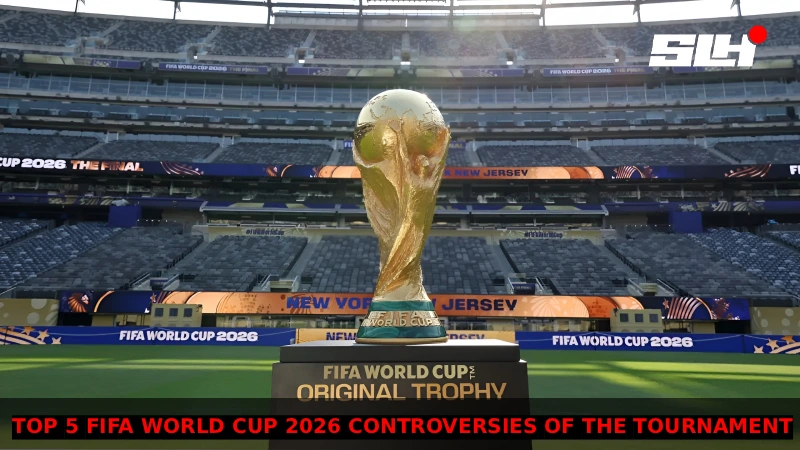


The 2026 FIFA World Cup, co-hosted by the United States, Canada, and Mexico, was a monumental celebration of international football. From Spain’s historic 1-0 extra-time triumph over Argentina in the final to the expanded 48-team format, the tournament delivered truly unforgettable moments. However, alongside the breathtaking goals and defensive masterclasses, the month-long spectacle was heavily punctuated by intense off-pitch drama. As millions of fans tuned in globally, a series of contentious moments sparked fierce debates among pundits, players, and passionate supporters alike.
From explosive social media interactions involving global icons to logistical nightmares across three massive host nations, the narrative of the 2026 World Cup is inextricably linked to these polarizing events. Understanding these flashpoints is essential to grasping the complete picture of the global tournament. This comprehensive guide breaks down the top five controversies that dominated headlines and shook the foundation of the sporting world this summer.
Perhaps the most explosive digital moment of the tournament occurred just before the grand finale. Portuguese legend Cristiano Ronaldo’s verified Instagram account liked a post from a Spanish television programme that blatantly accused FIFA of systemic corruption. The post alleged that officials intentionally favored Lionel Messi and the Argentine national team throughout their run to the final. This silent endorsement reignited the fierce Messi vs. Ronaldo rivalry on a global scale and cast a massive shadow of doubt over the tournament’s refereeing integrity.
With matches spread across wildly diverse climates in North America, extreme summer temperatures quickly became a severe player welfare issue. Afternoon kick-offs in cities like Houston, Miami, and Monterrey saw on-pitch temperatures soar to dangerous levels. Several European and African nations formally complained to FIFA regarding the scheduling, arguing that the intense heat compromised the quality of play and endangered athletes, ultimately prompting emergency hydration breaks and tactical overhauls from managers.
Despite the promise of enhanced refereeing technology, the 2026 tournament was plagued by frustrating delays involving the Semi-Automated Offside Technology (SAOT). Crucial knockout stage matches experienced unexpected halts lasting up to four minutes as officials deliberated over millimeter-tight offside calls. The lack of transparent, real-time communication to stadium fans and broadcasting audiences led to widespread stadium booing and accusations of momentum-killing officiating.
The historic expansion to 48 teams introduced a new group stage dynamic where the eight best third-placed teams advanced to the Round of 32. This format drew heavy criticism during the final group matches, as several teams engaged in hyper-defensive, risk-averse football, knowing a low-scoring draw was enough to secure advancement. Pundits argued this deeply compromised the highly competitive spirit traditionally associated with the World Cup group stages.
Hosting a massive tournament across three vast countries created unprecedented logistical nightmares. Fans and journalists reported immense difficulties navigating cross-border travel, citing sudden flight cancellations and stringent customs delays between the US, Canada, and Mexico. Furthermore, a highly controversial digital ticketing rollout left thousands of authenticated fans stranded outside stadiums due to app crashes and QR code failures during the critical opening week.
| Controversy Rank | Core Issue | Primary Impact |
| 1 | Ronaldo’s Instagram “Like” | Reignited fan rivalries and fueled global FIFA corruption allegations. |
| 2 | Extreme Heat Scheduling | Compromised player welfare during afternoon fixtures in hot climates. |
| 3 | VAR & SAOT Delays | Frustrated stadium fans and heavily disrupted the natural momentum of matches. |
| 4 | 3rd-Place Qualification | Resulted in defensive, non-competitive football during final group stage matches. |
| 5 | Travel & Ticketing Chaos | Caused unprecedented logistical nightmares and stadium entry failures for fans. |
Amidst the whirlwind of tournament drama and headline-grabbing controversies, having a reliable platform to witness the action unfold is absolutely critical. Sports Live Hub (SLH) stands out as the premier digital ecosystem tailored for the modern sports enthusiast, prioritizing deep user trust through localized social proof and officially verified viewing widgets.
Bypassing frustrating geographical restrictions and unreliable broadcast feeds can be a major headache for fans. The hub sports live stream functionality on SLH operates as a state-of-the-art intelligent aggregator. By utilizing advanced location mapping, the platform automatically routes users to the highest quality, officially verified regional broadcasts. This ensures pristine, buffer-free high-definition video, actively safeguarding your device from the intrusive ads and dangerous malware risks often associated with unauthorized streaming sites.
Today’s dedicated football fans require deep, data-rich engagement. The sport hub live streaming interface on SLH serves as an elite, interactive second-screen companion. As you watch highly debated matches and controversial VAR decisions unfold in real time, SLH provides dynamic tactical overlays, active player heatmaps, and live Expected Goals (xG) metrics. This highly immersive environment empowers viewers to analyze the game with the analytical precision of a professional pundit directly alongside the live video feed.
During major global tournaments, online search queries for how to watch Sports live for free consistently dominate search engines. SLH proactively meets this massive consumer demand by curating and frequently updating a comprehensive, localized directory of legal, free-to-air (FTA) broadcasters worldwide. By prominently highlighting official networks that air premium matches without demanding expensive paywalls, SLH guarantees that top-tier sports action remains fully accessible, entirely legal, and completely secure for everyone.
Cristiano Ronaldo’s viral social media activity, where his verified account liked a post accusing FIFA of corruption and favoring Lionel Messi’s Argentina, became the most widely discussed off-pitch controversy.
The expansion allowed the eight best third-placed teams to advance to the knockouts, which drew criticism as it led to risk-averse, highly defensive tactics during the final round of group stage matches.
Fans faced significant cross-border travel delays between the US, Canada, and Mexico, as well as digital ticketing app crashes that caused severe stadium entry issues during the first week.
Afternoon kick-offs in extremely hot North American cities severely compromised player welfare, prompting formal complaints from multiple participating nations regarding the heat.
Yes, the tournament experienced lengthy, momentum-killing delays due to Semi-Automated Offside Technology (SAOT) deliberations, which frustrated both stadium audiences and television viewers.
Fans can securely access verified regional broadcasts, legal free-to-air (FTA) streaming directories, and professional real-time match data via the Sports Live Hub (SLH) digital platform.
 cricket
 football
 football