
Opinions, analysis and commentary
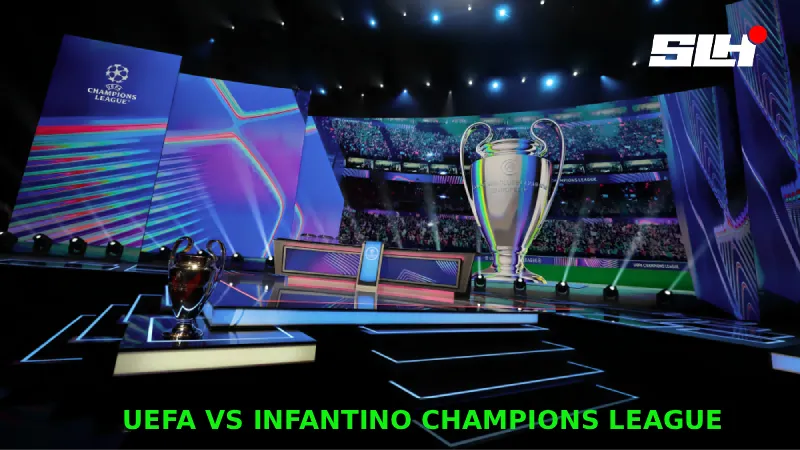


A private-investment plan for the World Cup nearly tore European and world football apart in late July 2026, and even though the boycott it triggered has been suspended, the governance fight behind it is far from over. The real fallout lands at the March 2027 FIFA presidential election, where a rival candidate now has European backing. Until then, an already bloated calendar stays exactly as packed as it was before the standoff began. Broadcasters and sponsors are watching closely, since any structural change here reshapes revenue for years to come.
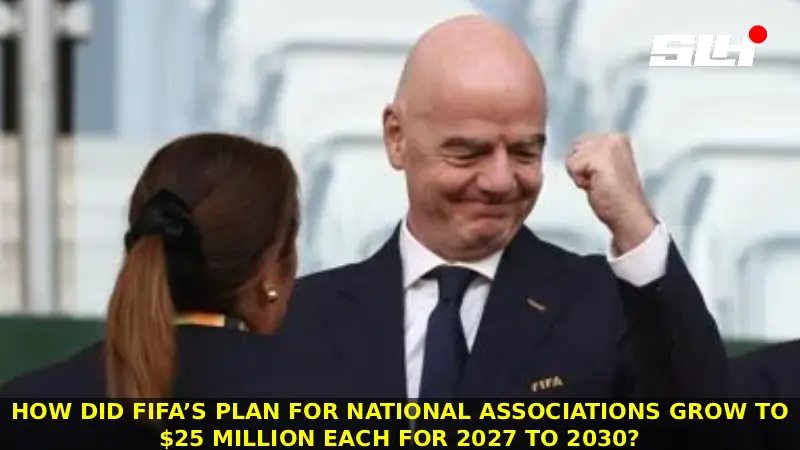
On July 28, 2026, reports revealed that FIFA president Gianni Infantino had moved to create the FIFA Forward Enterprise, a 20 billion-dollar commercial subsidiary that would sell a 20 percent minority stake to private investors, including a fund led by Joshua Kushner. The new entity would control commercial and operational rights to the World Cup and the Club World Cup. The scale of the plan stunned football’s establishment, since no previous FIFA revenue proposal had ever involved selling equity in the World Cup itself.
Football’s governing body for Europe responded within days, calling the plan a shady, opaque backroom deal and voting unanimously across all 55 member associations to boycott every FIFA competition. Infantino dropped the proposal within four days of it becoming public.
After the climbdown, European football’s governing body kept its boycott in place, demanding written confirmation that the private-investment plan was irrevocably and permanently withdrawn and could never return in any form. On August 27, 2026, the day of the Champions League 2026-27 draw in Monaco, the boycott was formally suspended once those assurances arrived in writing.
At the same time, the 55 member associations declared no confidence in Infantino’s leadership and confirmed they would back a rival candidate at the FIFA Congress in Rabat on March 18, 2027. Legal proceedings, including a data-preservation letter naming 18 FIFA executives, remain active.
The fight was about governance, but it was tied directly to the calendar. FIFA had already expanded the Club World Cup to 32 teams and 63 matches, played across June and July 2025 in the United States, while the continental competition grew from 125 to 189 games a season over the same period.
Private investors expecting a return would have created constant pressure to expand further, with more rounds and more revenue events layered on top of an already packed calendar. The core objection was simple: shareholders would demand growth regardless of what got formally agreed about fixture scheduling. Clubs already complain that players have too little rest between seasons, and another expansion cycle would only deepen that fatigue.
The dispute moved fast once it became public, and the table below lays out exactly how the year unfolded from the initial announcement to the suspended boycott in Monaco.
| Date | Event |
| 28 Jul 2026 | FIFA Forward Enterprise announced, a $20bn subsidiary to sell commercial rights to private investors including a fund led by Joshua Kushner |
| 30-31 Jul 2026 | All 55 UEFA member associations vote unanimously to boycott every FIFA competition |
| 31 Jul 2026 | Infantino drops the plan within four days |
| 27 Aug 2026 | Monaco: boycott formally suspended after written assurances the plan is permanently withdrawn |
| 18 Mar 2027 | FIFA presidential election in Rabat, Morocco |
The real reckoning still lies ahead, since the boycott’s suspension settled the immediate crisis without resolving who actually controls the money behind football’s two biggest tournaments.
The real test comes at the March 2027 FIFA Congress in Rabat, where European football’s governing body has said it will support an alternative candidate if Infantino stands again. Neither CONCACAF nor the AFC matched the boycott ultimatum, even though both opposed the original private-investment plan. A genuine cap would need buy-in from confederations well beyond Europe, which is why the outcome of the Rabat vote matters so much.
Binding limits on how much football gets played each season are the structural demand behind any post-Infantino settlement. Whether the UEFA Infantino Champions League calendar dispute ends in genuine fixture reduction or just a change of leadership is the question that will define the next cycle of European club football.
Should European clubs get a binding cap on how many matches they play each season, whoever wins the FIFA presidency in 2027? Let us know your take.
While the politics of the boardroom dominate the headlines, the heart of football remains firmly on the pitch. For millions of dedicated supporters who prioritize the beautiful game over administrative disputes, having a dependable, high-quality digital viewing platform is an absolute necessity. Sports Live Hub (SLH) is expertly engineered to bring the world’s most exciting premium football action directly to your fingertips, bypassing the off-field drama.
Navigating through complex regional geo-restrictions and scattered broadcast rights can often ruin the weekend matchday experience. The hub sports live stream ecosystem on SLH actively eliminates these frustrations by aggregating officially verified, high-definition broadcast feeds from around the globe. Whether you are tracking crucial World Cup qualifiers or domestic league showdowns, SLH delivers an ultra-low latency viewing experience. The streamlined platform guarantees that you catch every blistering strike, dramatic penalty, and historic victory the exact second it happens, completely uninterrupted.
For the deeply analytical football fan who demands more than just a standard video feed, the Sport Hub live streaming interface operates as a sophisticated, interactive match center. SLH seamlessly integrates real-time performance analytics, live player tracking heatmaps, and dynamic possession graphics right alongside the main broadcast. This immersive dual-screen integration empowers viewers to analyze tactical formations, passing accuracy, and defensive momentum shifts with the exact same professional precision utilized by elite football pundits and data analysts worldwide.
A massive priority for international digital audiences is discovering how to watch Sports live for free securely and reliably. SLH proactively addresses this massive global demand by maintaining a strictly curated, constantly updated directory of legal Free-to-Air (FTA) networks, official regional channels, and legitimate ad-supported platforms. By exclusively routing users to authorized digital portals, SLH guarantees that premium football content remains highly accessible, budget-friendly, and completely secure from the severe digital risks associated with unauthorized, illegal streaming websites.
Why did European football’s governing body threaten to boycott FIFA?
They voted unanimously in July 2026 over a plan to sell World Cup rights to private investors. The FIFA Forward Enterprise would have handed a 20 percent stake to a group including Joshua Kushner.
What is the dispute between European football and Gianni Infantino about?
The dispute is about who controls the money from FIFA’s biggest tournaments. European football’s governing body argues those competitions belong to the whole game, not a private financial asset for outside investors.
Did the boycott against FIFA actually happen?
No, the boycott was suspended before any FIFA competition was missed. It was called off on August 27, 2026, the same day as the Champions League draw in Monaco, once FIFA confirmed its plan was withdrawn.
How much has the Champions League expanded in recent years?
The competition grew from 125 to 189 matches per season. That expansion came alongside a Club World Cup that grew to 32 teams and 63 matches in 2025.
When is the next FIFA presidential election?
The next FIFA presidential election is set for March 18, 2027, in Rabat. European football’s governing body has said it will back a rival candidate rather than support Infantino for another term.
 cricket
 football
 football