

Opinions, analysis and commentary
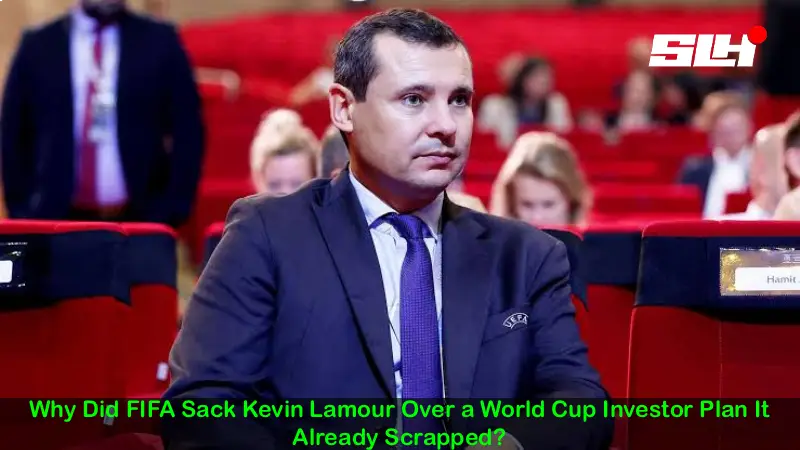


FIFA 0confirmed on 17 August that Kevin Lamour’s employment as chief operating officer had ended, more than two weeks after the investment plan he criticised was already dead. He had gone public on 31 July, telling the Associated Press the organisation’s staff had been deceived over how the proposal was built, and that he expected to lose his job for saying so. Secretary General Mattias Grafstrom called it a mutual parting, though multiple outlets reported he was fired. The exit adds scrutiny to the president’s leadership heading into 2027.
On 28 July, the governing body unveiled a proposed commercial subsidiary carrying an implied valuation of 20 billion dollars. The plan would have sold roughly a fifth of the stake to outside backers, with a vehicle launched by Joshua Kushner identified as the lead investor. It was framed as a way to fund member associations, but the announcement triggered immediate backlash over transparency.
The Football Association said it was unaware of the plan beforehand. UEFA called it a line football’s institutions should never cross. On 30 July, all 55 UEFA associations unanimously voted to boycott future World Cups; CONCACAF’s 41 members rejected it the same day, and the Asian confederation voiced solidarity without a boycott threat of its own. Facing that coordinated revolt, the proposal was withdrawn on 31 July, just three days after it was announced.
Lamour, chief operating officer since November 2024 and a longtime associate of the president from their UEFA days, broke ranks publicly the day the plan was scrapped. He said the administration had been deceived over how the proposal was developed, calling it the project of one person, and said staff deserved better than contempt and intimidation.
His comments landed hours after Carlos Cordeiro, a senior adviser and former US Soccer president, resigned in protest and described the plan as a bad deal for football while denying any role in drafting it. Lamour’s exit was confirmed more than two weeks later, the same day the Scottish FA withdrew its own backing for the president.
He told the Associated Press the mission of the organisation was to serve football, not the personal interests of a person who believed he embodied the institution when he was supposed to be at its service. He also acknowledged the professional risk directly, saying that if the comments cost him his job then so be it.
That willingness to name the consequence in advance separates his case from most senior departures. He was not pushed out over a policy dispute conducted privately; he identified himself publicly as a critic first and left within three weeks of doing so.
The sequence is hard to ignore. The investment plan was announced on 28 July, scrapped on 31 July, and Lamour was gone by 17 August, eighteen days after the policy he criticised no longer existed in any form.
| Date | Event | Significance |
| 28 Jul 2026 | FIFA announces the plan | $20bn valuation; Thrive Eternal named as lead investor |
| 29-30 Jul 2026 | UEFA, CONCACAF, AFC reject plan | 55 UEFA nations vote to boycott FIFA events |
| 31 Jul 2026 | Plan scrapped; Cordeiro resigns; Lamour speaks out | Dead within 3 days; internal dissent goes public |
| 17 Aug 2026 | FIFA confirms Lamour’s departure | Comes 18 days after the plan was already scrapped |
If the sole concern were protecting an active commercial plan, there was nothing left to protect by mid-August. That gap is why critics frame the departure as retaliation for speaking out rather than a response to any ongoing threat, with advocacy group FairSquare calling it part of a broader governance problem.
Senior departures tied to internal friction are not new here. Jerome Valcke was sacked in 2015, and Markus Kattner was removed in 2016 over financial irregularities, though neither case involved public criticism of a sitting president’s active policy the way this one did.
Combined with three confederation presidents accusing the president of deception in an open letter, and growing pressure from FairSquare questioning his eligibility to stand again, the FIFA Kevin Lamour sacking World Cup investors episode adds to a mounting narrative of instability heading into next year’s election.
Does firing a senior executive who spoke out over a scrapped plan strengthen or weaken the case against Infantino heading into 2027? Share your take.
Why did FIFA sack Kevin Lamour?
FIFA has given no official reason beyond saying the working relationship ended on 17 August 2026. Multiple outlets reported he was fired after criticising the World Cup investor plan.
What did Kevin Lamour say about the investor plan?
He said the administration had been deceived and called it the project of one person. He added that staff deserved better than contempt and intimidation from leadership.
Did FIFA cancel its World Cup investor plan?
Yes, the proposal was withdrawn on 31 July 2026, just three days after it was announced. The decision followed boycott threats from UEFA and rejection from CONCACAF.
Who replaced Kevin Lamour as chief operating officer at FIFA?
No permanent successor had been publicly named at the time of his departure. Secretary General Mattias Grafstrom confirmed the exit publicly on 17 August 2026.
Is UEFA taking legal action against FIFA?
No formal legal action has been filed, though UEFA has warned it remains an option. Its main pressure so far has come through a boycott threat from all 55 members.
 football
 football
 football