




Opinions, analysis and commentary
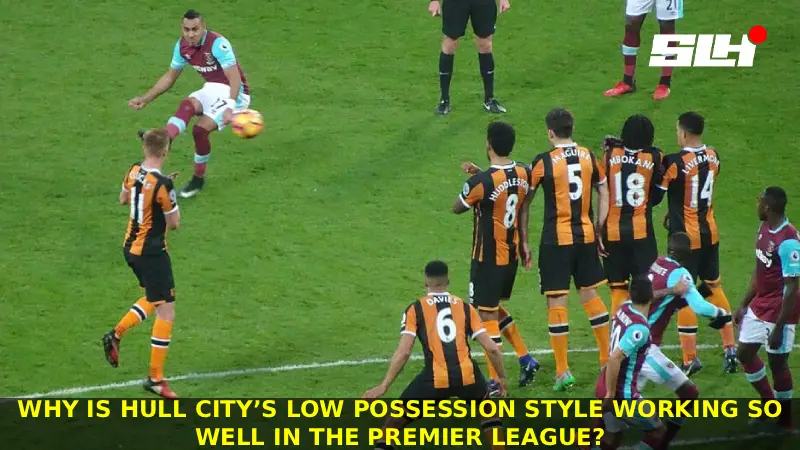


Because the newcomers refuse to chase the ball and defend their box with discipline, then take what small chances come their way. Hull have collected nine points from six matches while holding only about a third of the possession. They beat Manchester United and Coventry, drew with Aston Villa, Chelsea and Everton, and lost only to Newcastle. The numbers suggest a plan rather than luck, though one warning sign sits in the chance quality. Opponents see plenty of the ball but little reward for it.
Hull’s opening run reads better than their share of the ball suggests. They beat Manchester United 2-0 and Coventry 1-0, drew 0-0 with Aston Villa and 2-2 with Chelsea, lost 2-1 to Newcastle, and shared another 2-2 draw with Everton. That adds up to nine points from six games.
The Villa match shows the method best. Hull faced 13 shots with only 26 percent of the ball and still left with a point, even though chance quality leaned heavily towards Villa, 1.74 to 0.58. Absorbing pressure without cracking is the foundation of everything else the side does. Defensive shape rather than individual brilliance did most of the work, and the shot totals show how often Villa pressed without breaking through.
Across the early rounds Hull average 32.2 percent possession, the lowest figure among the sides measured, with Coventry next at 38.6 percent. The gap between them is 6.4 percentage points, which shows how far Hull sit from the rest. Giving the opponent the ball is the choice, not an accident, and Hull seem to be comfortable defending in a compact shape.
Their PPDA of 18.4 sits well above the 14.2 recorded by Coventry. PPDA divides the opposition’s passes by the defensive actions made in the attacking 60 percent of the pitch, so a lower number signals heavier pressing. Hull wait for the opponent to come to them instead of hunting the ball high. Their chance creation runs at 1.09 expected goals per match against 1.68 conceded.
| Team | Possession | xG / xGA per match | PPDA |
| Hull | 32.2% | 1.09 / 1.68 | 18.4 |
| Coventry | 38.6% | 1.16 / 1.81 | 14.2 |
Hull have scored eight times in six matches. Five of those came in open play, two from set pieces and one on the counter, so the attack is not built only on dead balls. Open play therefore supplied almost two-thirds of the output.
That mix matters because a side with little possession can easily become dependent on corners and long throws. Hull spread their threat more evenly, and the lone counter-attacking goal shows they can still hurt a team that pushes forward carelessly. Opponents cannot simply pack the area against corners and expect Hull to run out of ideas.
Possession below 40 percent has returned two points from two matches, against Villa and Everton. The Newcastle game, with a 44 percent share, brought a defeat, which proves that more of the ball is no guarantee of a result. Matches in the 40 to 50 percent band have produced nothing so far, while the three games left unclassified brought seven points
Everton tested the defence most, with 15 shots faced on 36 percent of the ball, while Villa managed 13. Hull faced 28 shots across the two games and conceded only twice. Newcastle, by contrast, had just 11 shots on goal to deal with and still won.
| Band | Matches | Points | Points per match |
| Under 40% | 2 | 2 | 1.00 |
| 40-50% | 1 | 0 | 0.00 |
| Unclassified | 3 | 7 | 2.33 |
Jakirovic has not dressed the approach up. He accepts that Hull will mostly be underdogs and says the squad is used to it. He called two games and six points not bad, and has voiced pride in the second-half work after one of the performances.
Survival maths helps the case. Around 34 to 36 points usually keeps a promoted side up, and no promoted team with eight or more points from its first five games has gone down. Expected goals is the one warning sign, at 5.42 for and 6.52 against, so the Hull City low possession style Premier League story needs a sharper attack to stay safe.
Can Hull keep surviving on a third of the ball, or will the expected goals gap catch up with them? Tell us in the comments.
What is PPDA in football?
PPDA counts the passes a team allows for each defensive action it makes in the attacking 60 percent of the pitch. A lower number means heavier pressing, and Hull’s 18.4 is higher than Coventry’s 14.2.
How much possession does Hull average this season?
Hull average 32.2 percent of the ball across the early rounds. Coventry follow on 38.6 percent, while no other side has been confirmed below 40 percent so far.
How many points has Hull taken with under 40 percent possession?
Hull have collected two points from two such matches. Those were the 0-0 draw with Villa on 26 percent and the 2-2 draw with Everton on 36 percent.
Is xG a reliable measure in football?
The expected goals ratio is the best predictor of future points. Hull’s numbers read 5.42 for and 6.52 against, so the early results have outrun the underlying chances.
How many points does a promoted team need to survive?
About 34 to 36 points is the usual survival range. No promoted side with eight or more points from its first five games has gone down, and Hull have exactly eight.
 football
 cricket