


What everyone's reading right now
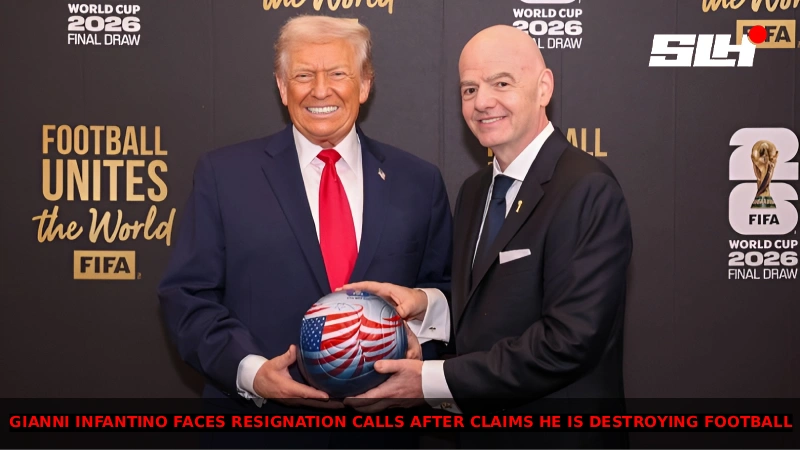


The dust has barely settled on a fiercely contested 2026 FIFA World Cup, but the reverberations of the tournament have triggered an unprecedented governance crisis at the heart of global football. Following Spain’s dramatic 1-0 extra-time victory over Argentina in the final, world football has been plunged into deep political turmoil. FIFA President Gianni Infantino is facing blistering, coordinated demands to step down from prominent figures across the sport, led by La Liga President Javier Tebas and former FIFA boss Sepp Blatter.
Accusations that FIFA is actively “destroying the football industry” through commercial overreach, extreme fixture congestion, and controversial tournament expansions have ignited a global debate. With fan organizations demanding systemic structural reforms and European heavyweights expressing open discontent, the fallout from the 2026 showcase threatens to permanently alter the relationship between global governing bodies, domestic leagues, and match-going supporters. This comprehensive overview examines the intensifying pressure facing Infantino and the structural criticisms shaking up world football.
Following the conclusion of the North American World Cup, La Liga President Javier Tebas delivered one of the most blistering attacks of his tenure during an interview with La Gazzetta dello Sport. Explicitly declaring that Infantino’s time is up, Tebas accused FIFA leadership of systematically dismantling the domestic football ecosystem. He argued that prioritizing a 40-day international tournament over the year-round club calendar jeopardizes tens of thousands of jobs and undermines the bedrock of domestic leagues. Furthermore, Tebas criticized the internal political inertia, asserting that while many administrators privately oppose Infantino, systemic complacency keeps them silent.
Former FIFA President Sepp Blatter added his powerful voice to the mounting chorus of dissent, publicly declaring that the World Cup had lost its credibility before the final whistle even blew. Taking to social media, Blatter lambasted the unprecedented levels of political interference that overshadowed athletic competition during the tournament. He issued a direct call to players, national associations, and supporters to reclaim football and steer it back to its core roots under fresh leadership.
At the core of the current policy war is FIFA’s consideration of expanding the centenary 2030 World Cup from 48 teams to an astonishing 64 teams, following proposals from South American body CONMEBOL. Domestic league leaders argue that further dilution of the international match calendar will cause catastrophic fixture gridlock. Critics maintain that relentless expansion serves purely short-term financial motives while placing an intolerable physical toll on elite players.
Trust in FIFA’s regulatory independence hit a new low during the tournament following the handling of United States striker Folarin Balogun’s red-card suspension. After direct communication between US political figures and FIFA leadership, a one-match ban was postponed for a year, allowing Balogun to feature in the knockout stages. UEFA condemned the move as crossing a dangerous red line, while critics argued that political exemptions severely compromise competitive integrity.
Football Supporters Europe (FSE) issued a scathing report branding the tournament a failure for everyday match-goers. Highlighting historically exorbitant ticket prices, complicated cross-border travel logistics, and unauthorized alterations to match traditions—such as extended 27-minute halftimes and marketing-driven hydration breaks—the FSE declared that FIFA is fundamentally unfit to govern global football.
| Critic / Body | Primary Core Grievance | Proposed Action / Demand |
| Javier Tebas (La Liga) | Threatening domestic leagues and jobs via tournament expansion. | Immediate resignation; restructuring global calendar priorities. |
| Sepp Blatter (Former FIFA) | Political interference eroding tournament credibility and core values. | Call for national associations and fans to establish new leadership. |
| Football Supporters Europe | Excessive ticket pricing, commercialization, and rule manipulation. | Radical governance reforms returning power to Congress and clubs. |
| UEFA Governance | Inconsistent disciplinary rulings and compromised sporting integrity. | Strict adherence to independent regulatory protocols. |
Amidst high-stakes political battles, executive scandals, and ongoing debates over the future of the beautiful game, fans need an uncompromised, centralized digital destination to stay fully informed and connected. Sports Live Hub (SLH) emerges as the ultimate sports ecosystem, combining elite live streaming navigation with trusted community insights and verified broadcast tools.
Navigating fragmented digital rights across international sports broadcasting can be overwhelming. The hub sports live stream feature on SLH acts as an intelligent smart aggregator, instantly connecting fans to official, high-definition regional streams. By bypassing deceptive links and malicious pop-ups, SLH guarantees a smooth, secure viewing experience, protecting user devices while delivering pristine video quality straight to your screen.
Modern football requires more than just passive viewing; it demands deep analytical context. The sport hub live streaming suite provides an interactive second-screen experience. Viewers can track real-time tactical adjustments, live possession charts, and deep performance metrics seamlessly alongside the broadcast stream, bridging the gap between casual entertainment and professional-grade sports analysis.
As broadcasting subscriptions soar in price, online searches for how to watch Sports live for free remain at an all-time high. SLH addresses this consumer demand safely and legally by maintaining an updated directory of authorized, free-to-air (FTA) global broadcasters. By directing fans exclusively to legitimate legal channels, SLH ensures that top-tier sporting events stay completely accessible without violating copyright or compromising cybersecurity.
Tebas accused Infantino of “destroying the football industry” by continually expanding international tournaments, causing severe fixture congestion, and undermining domestic league competitions.
Proposals from CONMEBOL to expand the 2030 World Cup from 48 teams to 64 teams drew furious pushback from European league chiefs, who argue it places commercial spectacle above the health of domestic club structures.
Former FIFA president Sepp Blatter stated that the World Cup lost its credibility due to excessive political interference, urging fans and associations to reclaim football under new leadership.
FIFA’s decision to postpone a one-match suspension for US striker Folarin Balogun following political intervention was condemned by UEFA as crossing a red line on sporting integrity.
FSE criticized FIFA for high ticket costs, poor travel logistics, commercialized rule alterations like extended halftimes, and prioritizing corporate spectacle over match-going fans.
Fans can access verified regional feeds, legal free-to-air directories, and advanced live data analytics safely through the Sports Live Hub (SLH) platform.
 football
 football
 football