
Opinions, analysis and commentary
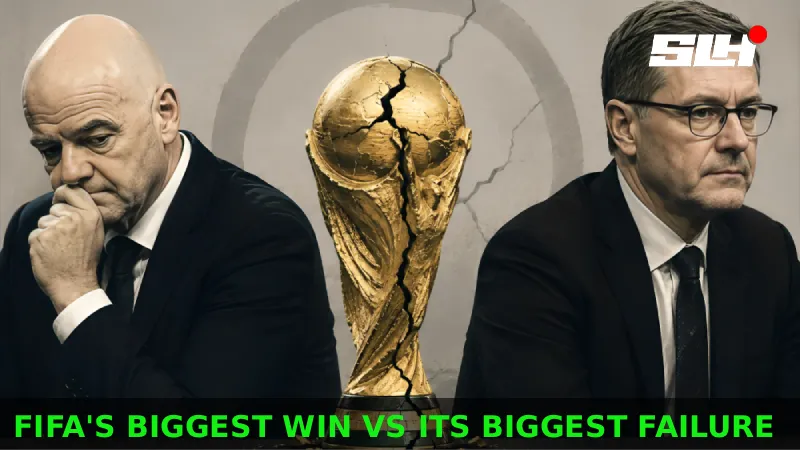


FIFA pulled off the smoothest transfer overhaul in a generation, then face-planted six weeks later trying to sell a piece of the World Cup. The difference wasn’t the ambition, it was the process. When FIFA sat down with FIFPRO, the leagues and the confederations for months before signing anything, it walked away with a unanimous deal and a first-of-its-kind labour agreement. Skip that step entirely, as it did with the Forward Enterprise stake sale, and UEFA revolts within 48 hours while the whole plan dies in three days.
On June 10, 2026, the FIFA Council Bureau signed off on the revised Regulations on the Status and Transfer of Players, with the new rules taking effect January 1, 2027. The trigger was the European Court of Justice’s ruling in the Lassana Diarra case, which exposed how vulnerable the old transfer system was to legal challenge. Under the old rules, players could face crippling compensation claims simply for walking out on a contract, a system European courts had already signalled was incompatible with free movement law.
The substance was significant. Release clauses became mandatory. Article 17’s breach-of-contract rules were rewritten. A new Article 21bis introduced fee-sharing between clubs when a player’s contract is terminated early. Welfare provisions covering pregnancy, adoption and parental leave were added, alongside a rule requiring formal agreement before any club increases a player’s workload. Together, the changes rewrite obligations that had governed player movement for a quarter of a century almost unchanged.
Also read:- When Will FIFA Actually Decide Gianni Infantino’s Fate as the Crisis Deepens?
The RSTP process and the Forward Enterprise pitch make an almost perfect controlled experiment. One had FIFPRO, the European Club Association, the World Leagues Forum, UEFA and CONMEBOL in the room for months before anyone signed a document. The other had none of that.
| FIFA Reform | Stakeholders Consulted | Outcome |
| RSTP Overhaul (June 10, 2026) | FIFPRO, EFC, WLA, UEFA, CONMEBOL, months of negotiation, joint memorandum signed | Unanimous approval, first collective labour agreement in global sport |
| FFE Stake Sale (July 29, 2026) | None, described as outside every established governance framework by CONCACAF | UEFA boycott within 48 hours, FFE scrapped in three days, Infantino apology |
The contrast sits right there in black and white. One process built agreement before asking for a signature. The other asked for a signature and discovered it had no agreement at all. That gap is what determined which one survived and which one collapsed within days.
FIFPRO didn’t just react to the RSTP reform; it helped write it. The memorandum between FIFA and the players’ union runs through December 2031 and creates a Global Social Dialogue Platform, where future changes require agreement from both sides rather than a FIFA decree alone.
That single detail explains why FIFPRO dropped every pending lawsuit against FIFA once terms were signed. Grafström called it proof that change could come from consensus rather than unilateral decision-making. Six weeks later, he’d be reaching for very different language. The deal also gives national federations a formal say in future workload discussions, addressing years of complaints about player burnout.
Forward Enterprise offered federations conditional payments of $40 million each if they approved it, but it never built the platform that made the RSTP deal work. There was no memorandum, no months of dialogue, nothing resembling the process that brought FIFPRO and UEFA on board in June.
CONCACAF’s response was blunt: the plan was advancing outside every established governance framework, without transparency, consultation or due process. FIFA’s own chief operating officer went further, calling it the project of one person. Sponsors and broadcasters had reportedly already been briefed on the structure before most FIFA Council members had even seen the paperwork.
Grafström signed the RSTP memorandum in June, praising consensus. In August, he described the FFE collapse as sad and reproachable. Same official, same year, two completely different processes producing two completely different results. Neither reform happened in a vacuum, and both reflect how FIFA chooses, or refuses, to share power when money and labour rights collide.
This FIFA World Cup transfer reform explained itself through months of dialogue, the exact step the FFE sale skipped entirely. FIFA already built the model that works. It simply didn’t use it twice.
Should FIFA be required to run every major initiative through the same consultation process as the RSTP reform? Share your take in the comments.
As football fans globally search for the most reliable platforms to witness history unfold—especially with Argentina currently attempting to join this exclusive list in the 2026 World Cup Final—Sports Live Hub (SLH) emerges as the ultimate destination for premium sports broadcasting.
Finding a secure, uninterrupted broadcast during major international tournaments can be incredibly frustrating due to complex regional restrictions and geo-blocks. The hub sports live stream feature available on SLH operates as a state-of-the-art intelligent aggregator. It seamlessly maps your location and automatically routes you to verified, official regional broadcast feeds. This ensures that fans can watch every crucial moment of the World Cup in stunning high-definition, completely free from the irritating buffering issues and dangerous malware threats associated with illegal, unverified streaming websites.
Modern football enthusiasts demand a highly analytical and interactive viewing experience. The sport hub live streaming interface on SLH serves as an elite second-screen companion for dedicated fans. As you watch the world’s best teams compete for international glory, the platform provides dynamic, real-time digital overlays. Viewers gain instant access to advanced tactical data, including live Expected Goals (xG), detailed passing networks, and comprehensive player heatmaps, empowering them to dissect the beautiful game just like a professional television pundit.
During monumental events like a World Cup Final, internet searches for how to watch Sports live for free inevitably skyrocket. SLH proactively solves this challenge by maintaining a meticulously curated, fully localized directory of legal, free-to-air (FTA) broadcasting networks. By specifically highlighting public broadcasters that legally air these premium matches without requiring expensive subscription paywalls, SLH guarantees that the unparalleled excitement of international football remains completely accessible, safe, and entirely legal for millions of passionate fans worldwide.
What is FIFA’s new transfer rule reform in 2026?
The revised RSTP was approved by the FIFA Council Bureau on June 10, 2026, adding mandatory release clauses and new Article 17 breach-of-contract rules. It also created Article 21bis for fee-sharing and parental welfare provisions.
What is the RSTP in football?
RSTP stands for the Regulations on the Status and Transfer of Players, the global rulebook governing how players move between clubs. Its last major rewrite followed the Bosman-era reforms of 2001, making 2026’s update its biggest since then.
Why did FIFPRO support FIFA’s transfer reforms?
FIFPRO backed the RSTP overhaul because it helped negotiate it directly over several months alongside the EFC, WLA, UEFA and CONMEBOL. The union secured a seat on the new dialogue platform and dropped its pending lawsuits against FIFA.
What went wrong with FIFA’s World Cup stake sale plan?
The Forward Enterprise proposal collapsed because FIFA never consulted federations before announcing it, unlike the RSTP process. CONCACAF called it outside every established governance framework, and UEFA moved toward a boycott within 48 hours.
Has FIFA changed how it handles governance in 2026?
Yes, the RSTP reform created a permanent consensus-based platform, though the FFE collapse showed that framework isn’t yet used consistently. FIFA scrapped the stake sale just three days after CONCACAF’s public criticism.
 football
 cricket
 football