




Opinions, analysis and commentary
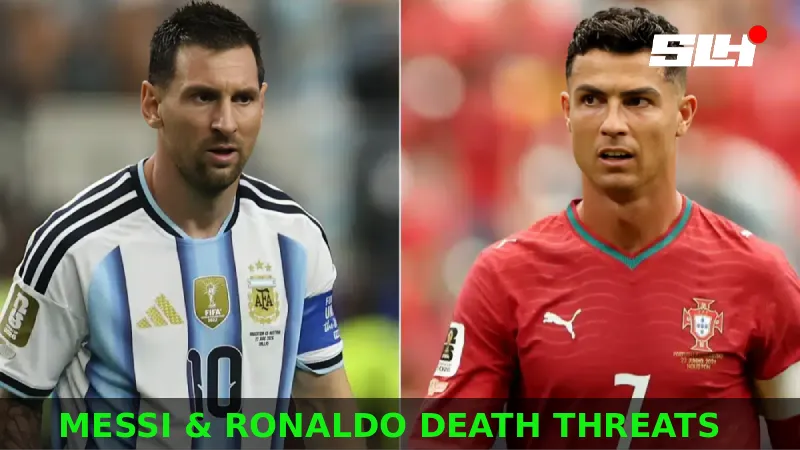


A leaked police dossier published this week shows bomb threats and hotel breaches ran through the entire tournament, not isolated one-off scares. Messi drew the highest volume of terror-related threats of any player in the competition. Ronaldo faced fewer threats but a more serious physical breach, when a fan actually reached his hotel floor. Online detection worked well enough to catch every digital threat before it reached a stadium. Physical hotel security clearly didn’t keep pace, and that gap is the real story the leaked dossier exposes.
The document details security incidents across the tournament hosted jointly by the United States, Mexico and Canada, which Spain eventually won by beating Argentina 1-0 at MetLife Stadium. Messi attracted the highest number of terror-related threats recorded against any single player throughout the competition.
Before Argentina faced Jordan, a caller to Dallas Airport claimed he and accomplices would storm the stadium armed with homemade bombs and an assault rifle, specifically targeting Messi and naming the exact seating section where he would be sitting. During Argentina’s July 7 fixture in Atlanta, a social media post threatened to detonate explosives strapped to the poster’s own body near Messi, alongside a separate claim about bins containing bombs. Sniffer dogs and bomb disposal teams found nothing at either venue, though both searches delayed surrounding foot traffic for close to an hour each time.
The pattern across the dossier splits cleanly by player and by threat type, with digital threats aimed at one player and a physical breach aimed at the other. Four incidents stand out clearly above the rest of the catalogued reports, and each drew a distinctly different level of law enforcement response.
| Incident | Location | Player | Security Response |
| Bomb threat, homemade devices and rifle | Dallas | Messi | Stadium secured, threat assessed, no arrests reported |
| Bomb and bins claim via social media | Atlanta | Messi | Bomb squad and sniffer dogs, nothing found |
| Individual probing accommodation details | Houston | Ronaldo | FIFA alert, suspect arrested two days later |
| Fan entered hotel, tried boarding lift | Undisclosed | Ronaldo | Police intervened, man arrested on site |
For Messi, every recorded threat stayed strictly online or over the phone, detected early and neutralised well before it could reach him physically at any venue. For Ronaldo, the pattern is structurally more concerning, since a fan physically entered his team hotel and reached his floor before police finally intervened.
A second Ronaldo incident saw someone probing his accommodation details directly, prompting a FIFA staff member to raise the alarm that led to a suspect’s arrest two days later from the same hotel building. Neither incident reached Ronaldo directly, but both came uncomfortably close to his actual location.
The 2018 tournament in Russia saw extremist-linked poster campaigns targeting both Messi and Ronaldo, but those threats were catalogued with no actual stadium incidents recorded. The 2022 edition in Qatar used a pre-vetted entry system and dense surveillance across a single host nation, a structural advantage this year’s spread-out format simply didn’t have.
This year’s multi-nation format, spanning host cities as far apart as Dallas, Atlanta, Houston, Toronto and Miami, required separate law enforcement frameworks for each city. That structural sprawl made cross-jurisdiction coordination considerably harder than any single-nation tournament had faced before, with five separate police forces effectively running five separate security operations under one shared tournament banner. No single command structure tied those operations together in real time.
Two confirmed arrests came from the Ronaldo incidents alone: the Houston hotel suspect and the fan who reached his floor. No arrests followed the Messi bomb threats, since no explosives were ever found at either venue. A French match referee was separately targeted with thousands of threatening messages after officiating an Argentina fixture, showing threats extended well beyond the two biggest names in the tournament.
The next tournament, co-hosted across three separate nations on two continents, multiplies that jurisdictional complexity even further than this edition did. This dossier suggests online threat detection functioned well throughout the tournament, while hotel perimeter security plainly did not hold to the same standard, and the World Cup 2026 security failure Messi, Ronaldo dossier makes that distinction impossible to ignore going forward.
Should hotel security at major tournaments now match stadium-level protocols? Share where you’d draw the line in the comments.
As football fans globally search for the most reliable platforms to witness history unfold—especially with Argentina currently attempting to join this exclusive list in the 2026 World Cup Final—Sports Live Hub (SLH) emerges as the ultimate destination for premium sports broadcasting.
Finding a secure, uninterrupted broadcast during major international tournaments can be incredibly frustrating due to complex regional restrictions and geo-blocks. The hub sports live stream feature available on SLH operates as a state-of-the-art intelligent aggregator. It seamlessly maps your location and automatically routes you to verified, official regional broadcast feeds. This ensures that fans can watch every crucial moment of the World Cup in stunning high-definition, completely free from the irritating buffering issues and dangerous malware threats associated with illegal, unverified streaming websites.
Modern football enthusiasts demand a highly analytical and interactive viewing experience. The sport hub live streaming interface on SLH serves as an elite second-screen companion for dedicated fans. As you watch the world’s best teams compete for international glory, the platform provides dynamic, real-time digital overlays. Viewers gain instant access to advanced tactical data, including live Expected Goals (xG), detailed passing networks, and comprehensive player heatmaps, empowering them to dissect the beautiful game just like a professional television pundit.
During monumental events like a World Cup Final, internet searches for how to watch Sports live for free inevitably skyrocket. SLH proactively solves this challenge by maintaining a meticulously curated, fully localized directory of legal, free-to-air (FTA) broadcasting networks. By specifically highlighting public broadcasters that legally air these premium matches without requiring expensive subscription paywalls, SLH guarantees that the unparalleled excitement of international football remains completely accessible, safe, and entirely legal for millions of passionate fans worldwide.
What was the bomb plot against Messi at the World Cup?
A caller threatened to storm a stadium with bombs and a rifle targeting Messi. A separate social media threat in Atlanta triggered a bomb squad search that found no explosives.
Who threatened Cristiano Ronaldo during the tournament?
Two separate incidents targeted his hotel accommodation rather than a stadium setting. A fan reached his hotel floor and another individual was caught probing his room details beforehand.
Was anyone arrested over the Messi death threats?
No arrests were recorded for either bomb threat made against Messi. Bomb disposal teams found no explosives at either the Dallas or Atlanta locations, and both callers remain unidentified in public reports.
How does stadium security work at major tournaments now?
Coordination between federal agencies and local police forms the backbone of protection. Online threat monitoring and pre-vetted entry systems run alongside bomb disposal teams kept on standby.
Did the threats affect Messi’s performances during the tournament?
He continued playing every match and started the final for his country. Argentina lost that final 1-0 to Spain at MetLife Stadium despite his involvement throughout.
 football
 football
 football