
Opinions, analysis and commentary
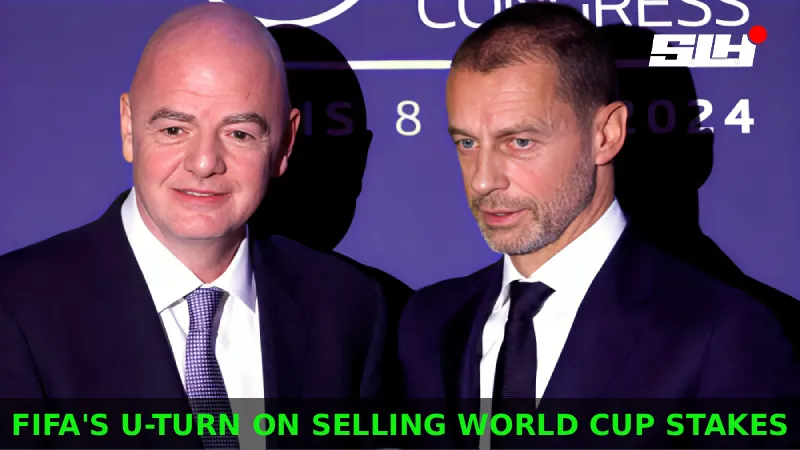


FIFA’s decision to scrap its World Cup private equity plan stopped an immediate rupture, but it did not repair confidence in Gianni Infantino personally. UEFA ended its own threat only after months of pressure, and even then it kept a formal declaration of lost confidence in his presidency on the record. That distinction matters a great deal. Withdrawing a bad proposal is not the same as rebuilding trust with 55 member federations who felt blindsided by how the plan was conceived and nearly pushed through without real consultation.
On July 31, 2026, just twelve days after Spain lifted the World Cup trophy in New Jersey, member associations unanimously voted to boycott every single FIFA competition during an emergency virtual meeting called specifically for this purpose. Two conditions were attached to lifting that threat.
The stake sale proposal had to be withdrawn entirely, and a binding guarantee had to be given that such commercialisation would never be attempted again in any form. When Infantino announced his reversal on August 1, both conditions were declared still unmet, and the boycott was held firm, reiterated again as late as August 6, only twelve days after the reversal was first announced to the public.
The plan behind this entire standoff was internally branded FIFA Forward Enterprise. It sought to create a 20 billion dollar commercial entity controlling World Cup broadcasting, sponsorship, ticketing and licensing rights, then sell close to a 20 percent minority stake to private investors for around 4.2 billion dollars.
Each member federation was promised a one-time payment of 20 million dollars in exchange for backing the sale. Joshua Kushner’s Thrive Capital, whose founder is the brother of Jared Kushner, President Trump’s son-in-law, was the expected lead investor in the new entity. Member associations called the scheme irresponsible and indefensible, and said it had been conceived entirely in secret, without meaningful consultation beforehand with anyone outside FIFA’s own leadership.
The reaction was swift and spanned several continents almost immediately. Concacaf, whose 41 members include World Cup hosts the United States, Canada and Mexico, formally rejected the proposal outright within days, and US Soccer said publicly that it stood firmly with Concacaf on the entire matter.
The Asian Football Confederation called for an urgent review of FIFA governance, citing fundamental weaknesses in consultation and decision-making at the top of the organisation. Inside FIFA itself, senior adviser Carlos Cordeiro, a former Goldman Sachs banker, resigned in protest at how the plan had been handled, while chief operating officer Kevin Lamour described the scheme publicly as the project of one person, language that crystallised just how much institutional damage the plan had already caused.
Hours after the plan was scrapped, the deal was branded a shoddy, backroom, opaque arrangement, and a formal loss of confidence in Infantino’s presidency was declared. That position was reaffirmed on August 6, when the backing Infantino secured at a leadership meeting in Morocco was dismissed as coming from people whose careers depend on his favour.
The distrust runs far deeper than one failed proposal, and it has been building for months. During the World Cup itself, Infantino drew serious criticism over sponsored hydration breaks and a disputed red card reversal that followed a phone call with President Trump, controversies that had already strained relations badly before the private equity row erupted on top of them.
Member associations met in Monaco on August 26, 2026, ahead of the Champions League draw, and were widely expected to formally lift the boycott threat after receiving fresh assurances that the sell-off plan would not be revived in any disguised form later. Ending a boycott, though, is simply not the same thing as restoring genuine trust between two organisations.
UEFA president Aleksander Ceferin has made it clear that his campaign against Infantino will continue right into the March 2027 presidential election, a vote Infantino had appeared set to win completely unopposed before this crisis broke out. The UEFA-FIFA boycott of the 2026 World Cup saga may be technically over, but the fight over who controls football’s commercial future is not.
Does FIFA’s climbdown actually fix anything, or does this standoff simply resume before the 2027 presidential vote? Share your take in the comments.
While the politics of the boardroom dominate the headlines, the heart of football remains firmly on the pitch. For millions of dedicated supporters who prioritize the beautiful game over administrative disputes, having a dependable, high-quality digital viewing platform is an absolute necessity. Sports Live Hub (SLH) is expertly engineered to bring the world’s most exciting premium football action directly to your fingertips, bypassing the off-field drama.
Navigating through complex regional geo-restrictions and scattered broadcast rights can often ruin the weekend matchday experience. The hub sports live stream ecosystem on SLH actively eliminates these frustrations by aggregating officially verified, high-definition broadcast feeds from around the globe. Whether you are tracking crucial World Cup qualifiers or domestic league showdowns, SLH delivers an ultra-low latency viewing experience. The streamlined platform guarantees that you catch every blistering strike, dramatic penalty, and historic victory the exact second it happens, completely uninterrupted.
For the deeply analytical football fan who demands more than just a standard video feed, the Sport Hub live streaming interface operates as a sophisticated, interactive match center. SLH seamlessly integrates real-time performance analytics, live player tracking heatmaps, and dynamic possession graphics right alongside the main broadcast. This immersive dual-screen integration empowers viewers to analyze tactical formations, passing accuracy, and defensive momentum shifts with the exact same professional precision utilized by elite football pundits and data analysts worldwide.
A massive priority for international digital audiences is discovering how to watch Sports live for free securely and reliably. SLH proactively addresses this massive global demand by maintaining a strictly curated, constantly updated directory of legal Free-to-Air (FTA) networks, official regional channels, and legitimate ad-supported platforms. By exclusively routing users to authorized digital portals, SLH guarantees that premium football content remains highly accessible, budget-friendly, and completely secure from the severe digital risks associated with unauthorized, illegal streaming websites.
Why did UEFA threaten to boycott FIFA?
Member associations opposed a plan to sell World Cup commercial rights to private investors without transparency or consultation. They called it a fundamental threat to football’s collective governance structures.
What was FIFA’s private equity plan for the World Cup?
FIFA Forward Enterprise proposed selling roughly 20 percent of a new 20 billion-dollar commercial entity to private investors. The sale targeted around 4.2 billion dollars, led by Joshua Kushner’s Thrive Capital.
Has UEFA dropped its threat against FIFA?
A formal boycott lift was expected at the August 26 Monaco meeting after FIFA gave fresh assurances. However, the stated loss of confidence in Infantino’s leadership remains officially on record.
What did FIFA agree to in order to end the standoff?
FIFA withdrew the stake sale proposal entirely rather than modifying it. A further demand for a permanent guarantee against future attempts was still unresolved as of early August.
Is Gianni Infantino losing support in European football?
Yes, a formal loss of confidence in his presidency has already been declared. Ceferin has publicly signalled a campaign against him ahead of the March 2027 election.
 football
 football
 cricket